


Good vs Well: The Simple Rule to Choose the Right Word
Choosing between good and well is one of the most common word-choice dilemmas in American English. Whether responding to a casual “How…
Bring vs Take: When to Use Which Word Correctly
Choosing between bring and take is one of the most common grammar hurdles in English communication. Both words are action verbs that describe…
Borrow vs Lend: When to Use Which Word Correctly
Knowing when to use borrow versus lend is a common hurdle in English grammar. Both verbs describe the exact same event—the temporary transfer…
Woman vs Women: When to Use Which Word Correctly
Choosing between woman and women seems like it should be one of the simplest tasks in the English language. After all, the two words differ by…
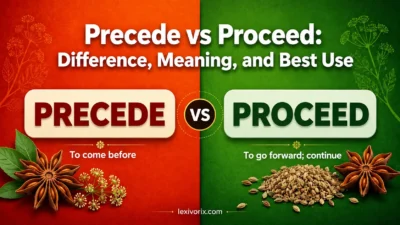
Precede vs Proceed: What’s the Real Difference?
Choosing between precede vs proceed trips up writers, professionals, and students alike every day. Because both words share similar roots,…
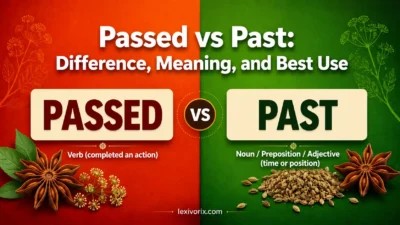
Passed vs Past: What’s the Real Difference?
Choosing between passed vs past trips up writers, students, and professionals every day. Because both words sound identical in spoken English,…
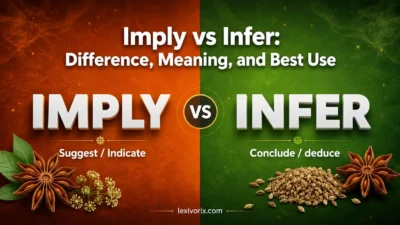
Imply vs Infer: What’s the Real Difference?
Choosing between imply vs infer trips up native speakers and students alike every single day. Both verbs deal with indirect communication,…
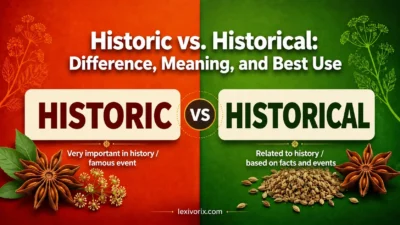
Historic vs. Historical: What’s the Real Difference?
Navigating the nuances of English grammar can feel confusing, especially when choosing between historic vs. historical. Both words are…
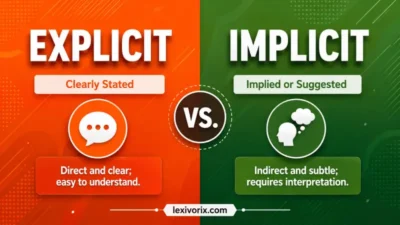
Explicit vs. Implicit: What’s the Difference?
Choosing between explicit and implicit can pause even experienced writers. The two words share similar sound structures, end with the same…
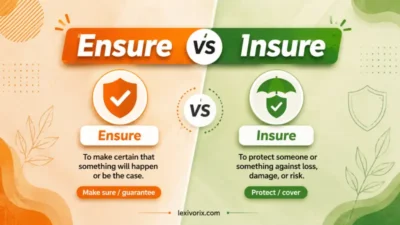
Ensure vs Insure: What’s the Real Difference?
Ensure and insure look almost the same. They sound almost the same. And they both circle around one idea: making something certain.…